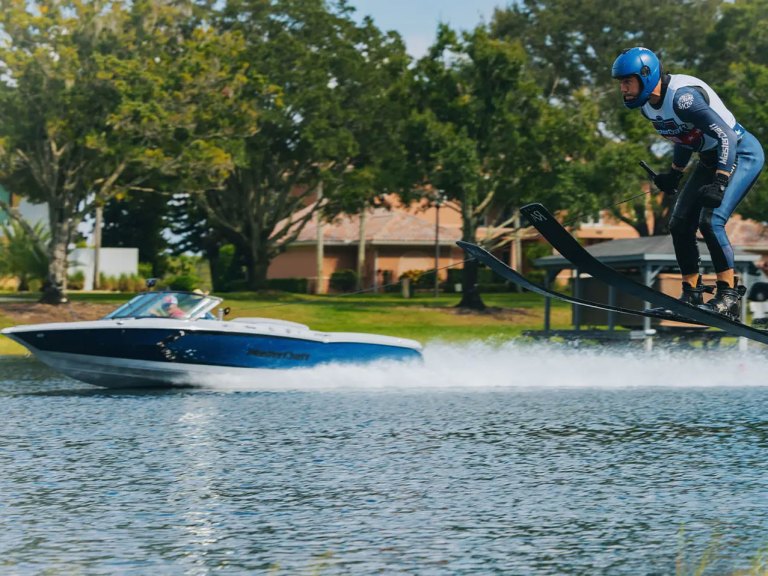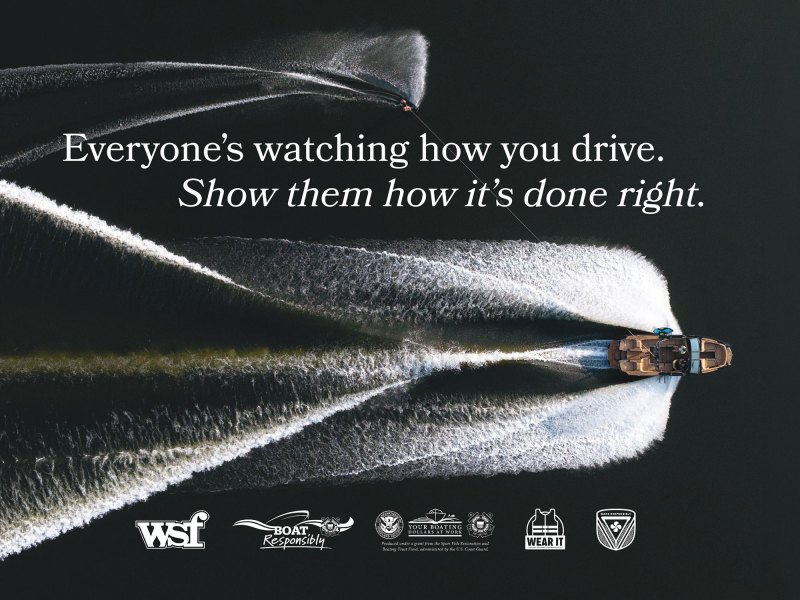
If you love wake surfing, wakeboarding, or any towed watersport, your access to the water is under threat. The Water Sports Industry Association (WSIA) has a plan to protect it. The Wake Responsibly initiative is a nationwide campaign built around one simple idea: how you ride determines whether we all get to keep riding.
Launched in 2015, the campaign was created to reduce conflicts on shared waterways by promoting courteous, aware boating. It comes down to three things every rider should know:
- Stay at least 200 feet from shore, docks and other boats.
- Keep onboard music at a reasonable level.
- Minimize repetitive passes in the same area.
Simple? Yes. But these three habits directly address the complaints that are getting wake sports banned — shoreline erosion, dock damage, noise. When every rider follows them, the community speaks with one voice. And that voice is what keeps the water open.
The good news: the gear you already love is part of the solution. Surf systems, ballast controls, and onboard GPS mapping aren’t just performance tools — they help you ride smarter and more responsibly.
Know Before You Go
The WSIA has built a full educational platform around the Wake Responsibly principles — videos, digital content, signage, and in-person seminars. Dozens of training sessions have been held nationwide, giving both new and seasoned riders the knowledge to operate safely and courteously.
“When we decided to evolve this initiative from simple signage into a comprehensive, proactive education program, it marked a pivotal moment for the industry,” said Lee Gatts, WSIA’s executive director. “It was a collective step forward – demonstrating our commitment to instilling good boating habits before bad ones take hold. By focusing on education early, we can reduce conflicts on the water and ensure we all serve as responsible stewards of our precious waterways.”
This isn’t just about being polite on the water. Wake surfing is facing real legislative pressure in certain states and counties. When you ride responsibly, you’re sending a message to lawmakers and local communities that the wake sports community takes access seriously. That’s exactly what the WSIA is counting on to push back against restrictive regulations.
And it’s working. In the last decade, homeowners have tried to shut down wake sports on dozens of waterways across the country, citing shoreline erosion, dock damage, and noise. The WSIA has been on the front lines, fighting to preserve access to those waterways — and winning.
Wake Responsibly also means riding safely. Through its nonprofit arm, The Water Sports Foundation, the WSIA has partnered with the U.S. Coast Guard to weave safety education into the broader mission — so protecting the water and protecting each other go hand in hand.
Every Rider Is an Ambassador
Every time you head out on the water, you represent the entire wake sports community. How you ride shapes what your neighbors, local officials, and fellow lake users think about wake sports as a whole.
Being a steward of the waterways doesn’t take much — but it makes a huge difference. Here’s how to show up for the sport you love:
- Know the three rules — and actually follow them. Stay 200 feet from shore and docks, keep the music reasonable, and don’t hammer the same stretch of water over and over. Grab free resources at wakeresponsibly.com and share them with friends. When you bought your boat, you joined a community — one with a responsibility to represent it well.
- Spread the word. Share Wake Responsibly content on your social channels. Tag your crew. Normalize responsible riding in your circle. The WSIA provides free assets you can post directly — making it easy to spread the message without starting from scratch.
- Get involved locally. Connect with your local marina or riding club to host a Wake Responsibly event or demo day. These gatherings build real goodwill with the communities that share your waterways — and they’re a great excuse to get more people on the water.
Wake Responsibly is bigger than any one rider. It’s the wake sports community proving — collectively — that we don’t need to be regulated off the water. Every responsible session shifts the story from ‘wake boats are a problem’ to ‘wake riders are part of the solution.’
For riders, Wake Responsibly is more than good manners. It’s how we protect the sport.
Please visit wakeresponsibly.com or wsia.net for more information.